
Threshold
Notice how the entrance meets the street or shoreline — covered drive, open plaza or quiet lobby — before the rest of the building asserts itself.
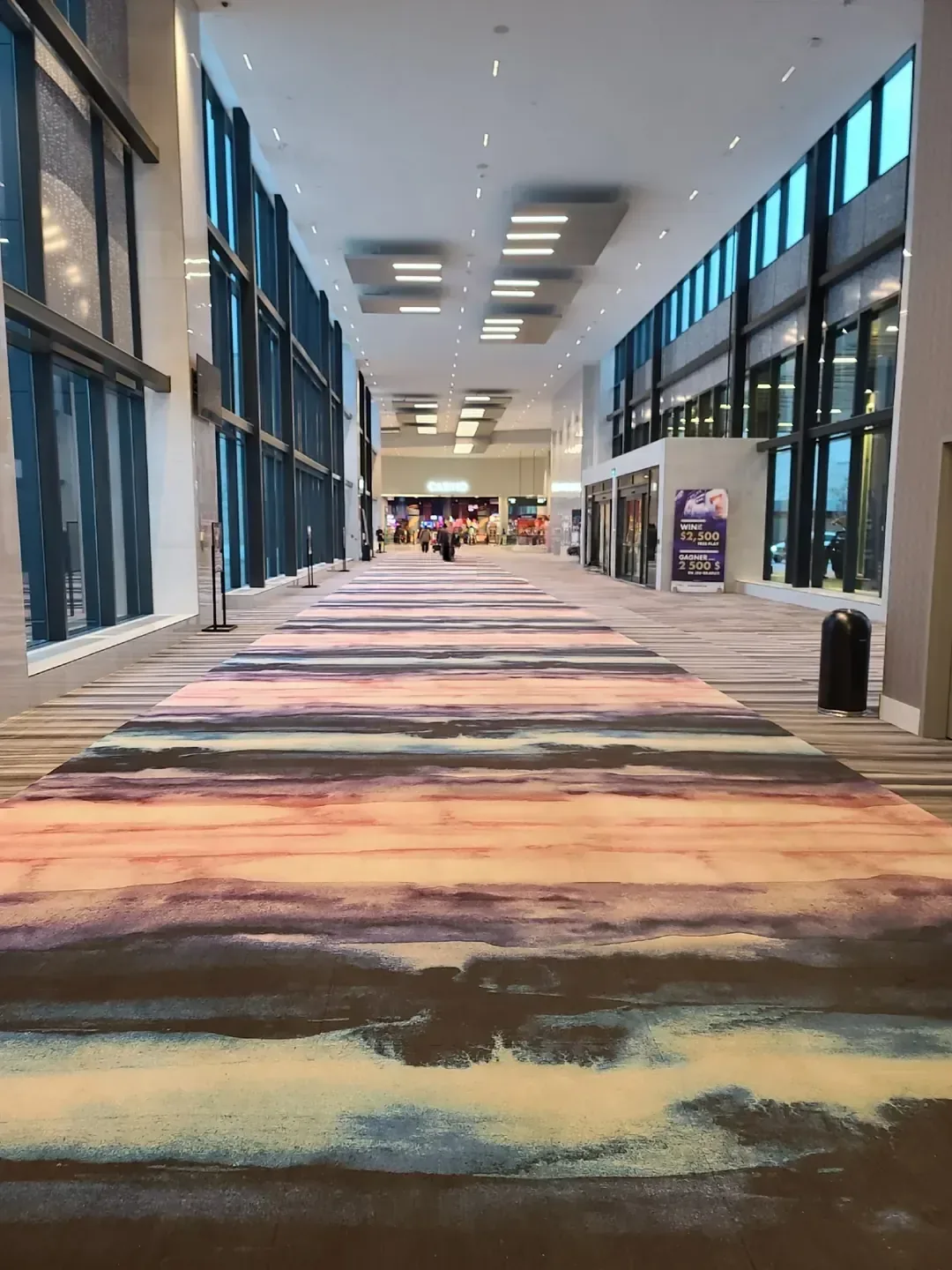
Getaway Breeze Empire describes twelve hospitality properties with the same steady lens — arrival, rooms, dining, public space and surroundings — then points you to each official listing for details that change. No bookings live here; the guide only helps you see what each place is.
This site presents hospitality information independently. It does not manage bookings, availability, payments or guest services — those are handled by the official providers.
Properties where a river, lake or harbour front does most of the work of the stay — water as the first impression and the lasting frame.
Open selectionStays inside or beside a city centre, weighed by what sits within walking distance of the door rather than by spectacle alone.
Open selectionNotice how the entrance meets the street or shoreline — covered drive, open plaza or quiet lobby — before the rest of the building asserts itself.
Listen for what carries: water nearby, traffic beyond the glass, or the low hum of public floors. The soundtrack often says as much as the décor.
Feel whether the property reads as a compact city hotel or a broader resort — corridors, ceiling height and the distance to dining all tip the hand.
Find where daylight enters and what it frames. A waterfront or street view will shape evenings as much as the room layout itself.
These notes are about the guide itself — how it reads and how it helps travellers compare — not about any named property.
I cared more about regional context than another checklist of amenities. The way each entry sits in its setting made the guide useful before I even opened a listing.Trevor V.
The plain descriptions of what each property actually offers were what I needed. No flourish — just enough detail to decide which listings to open next.Vincent M.
The structure was easy to follow and the entries easy to compare side by side. I could move between shoreline and urban pages without losing the thread.Malcolm B.
Decide whether water, city streets or a quieter resort edge matters more to how you spend the day outside the room.
Use the same five lenses — arrival, rooms, dining, public space, surroundings — so each property can be weighed against the others fairly.
When a place feels right on the page, follow its official listing for current detail. That page, not this guide, holds what changes.